What is UI and UX Design in Web Design?
Understanding UI Design in Web Design?
UI design, or user interface design, focuses on how a website looks and how people interact with it on-screen. In web design, the UI creates the first impression through visual design, buttons, color selection, typography, spacing, and layout. A good UI helps visitors instantly understand where to click, what matters most, and how to move through the page without confusion.
For businesses in Rochester, NY, UI is more than appearance. It affects whether a visitor believes in your brand, notices your message, and takes action. A clean page layout with uniform spacing and clear visual hierarchy can make a professional services firm, healthcare practice, education provider, home services company, or local retailer feel more credible. That credibility supports brand trust and can improve lead generation.
Good UI also depends on visual consistency. When headings, icons, form fields, and callout areas follow the same pattern across the site, users learn how to use the site faster. This improves website usability and makes the experience feel user-friendly. Even small details, such as button color contrast and spacing between elements, can influence whether a visitor clicks a call to action or leaves the page.
What Is User Experience Design in Web Design?
User experience, or UX, is the complete sense someone has while using a website. In practical terms, UX design guides the customer journey from the moment a visitor arrives to the moment they complete a form, book a consultation, request a quote, or carry out a purchase. UX focuses on ease of use, clarity, and task completion.
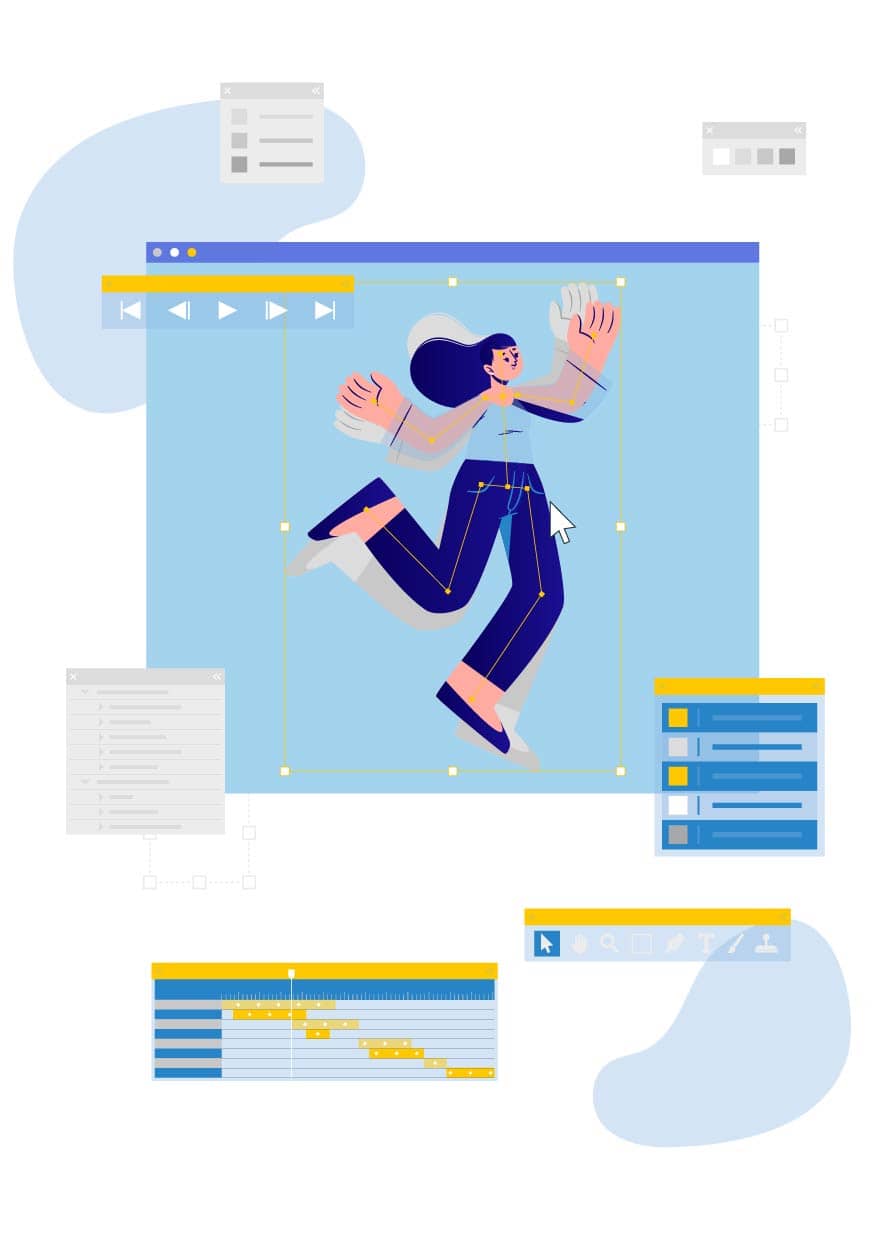
UX starts with site structure, which is the way content is organized and labeled. If a site’s services, contact details, and supporting pages are organized logically, visitors can move through the site with less resistance. That is especially important for local companies that rely on visitors finding the right service quickly through menu navigation.
Strong UX also supports semantic structure and content structure. This means the website content should be arranged in a way that helps both people and search engines understand it. For example, a Rochester medical office might group service pages by specialty, location, insurance, and appointment process. That kind of structure improves findability and helps users carry out actions faster.
In short, UI is how the site presents itself and feels on the surface, while UX is how well the site performs for real people. Both are essential for building a website that supports better conversions and sustained growth.
How UI/UX Complement Each Other
UI/UX are closely connected. UX defines the path, while UI brings that path a clean and engaging form. A website may have eye-catching design, but if the journey is hard to follow, it will not deliver results. Likewise, a site may be logically organized, but if the interface feels old-fashioned or cluttered, visitors may still feel unsure.
This relationship becomes especially clear in interaction design. Interaction design focuses on how users move through menus, forms, carousel sliders, accordions, and other engaging components. Strong interaction design cuts down friction and makes the next step clear. For that reason wireframes are so useful in the initial planning process. Wireframes map the structure before visual styling is added, giving teams a way to test the flow of a page early.
Using wireframes, teams often create prototypes to see how a page will function in real use. Prototypes help businesses in Rochester, NY assess whether a homepage, service page, or landing page meets the intended conversion rate. If users cannot find the form, the phone number, or the main offer, the design has a user experience problem.
When UI/UX are in sync, the website becomes simpler to navigate, easier to trust, and easier to convert. That combination is one of the biggest drivers of engagement and trackable business https://ameblo.jp/oswego-ny-ss919/entry-12976613665.html outcomes.
How UI and UX Matter for SEO and Digital Marketing
UI and UX are more than design concerns. They directly impact SEO and digital marketing results. Search engines want to show pages that meet users, and users want pages that are fast, easy to understand, and useful. When a site offers good usability, visitors stay longer, interact more, and are more likely to complete desired actions. Those behaviors can improve better rankings and better campaign results.
A poor experience often increases bounce rate, which happens when visitors leave after viewing only one page. High bounce rate may indicate that the page is hard to follow, sluggish, or not aligned to the search query. On the other hand, a site with helpful structure, readable content, and intuitive navigation tends to improve engagement and keep people exploring.
For digital marketing, UI and UX are essential because every ad, email, organic search result, and social post leads somewhere. If the landing page is weak, the campaign loses traffic. A page that matches user intent, loads quickly, and places the right call to action in the right place can increase lead generation and lower acquisition costs. That is true for local SEO campaigns, paid search, and content marketing alike.
In many cases, better UX also supports website performance indirectly by improving site speed, reducing frustration, and increasing the number of visitors who take important actions. Strong design and better content work together to improve results across the full marketing funnel.
How Effective UI/UX Looks Like in a Website
Strong UI/UX is clear in the details. A well-designed site typically comes across as simple, organized, and simple to navigate on any device. It includes mobile responsiveness, easy navigation, strong accessibility, and a strong call to action on each important page.
Today’s websites should follow responsive design principles so the layout adapts to phones, tablets, and desktops. For many Rochester residents, that means browsing on the go while searching for a dentist, contractor, attorney, tutor, or restaurant. A site built with mobile-first design in mind makes sure the most important content appears quickly and remains easy to tap.
Accessibility is equally important. Good accessibility means text has proper contrast, forms are easy to complete, images have helpful alt text, and interactive elements can be used by more people. This boosts the experience for users with disabilities and creates a more inclusive website overall.
These are a few signs of strong UI/UX:
- Easy-to-follow menus and clear navigation
- Legible text with clear visual hierarchy
- Streamlined forms that minimize friction
- Speedy pages with limited distractions
- Visible calls to action that lead next steps
- Cohesive page layout across the site
When these elements work together, the site feels appealing, orderly, and dependable. That supports task completion and helps both user satisfaction and business goals.
User interface and user experience for Rochester, NY Businesses
Rochester, NY is a crowded local market for local businesses who want better search visibility and more conversions. Whether the business is in client services, healthcare, education, home services, or retail, the website often serves as the initial touchpoint. A well-designed UI and strong UX can make the difference between a visitor calling your office or choosing another provider to a competitor.
Local browsing patterns matters here. Many people in Rochester, NY search on their phones while comparing nearby options in neighborhoods and communities across Greater Rochester, including Irondequoit, Greece, Brighton, and Henrietta. That means websites need mobile optimization, clear service pages, and local relevance. If the contact details are buried or the location information is unclear, users may bounce fast.
For a small business, UI/UX should support practical goals such as quote requests, appointment bookings, store visits, or phone calls. A home services company might need a speedy homepage with service area details and a strong call to action. A healthcare provider may need an accessible appointment flow and simple insurance information. A local retailer may need location pages, product highlights, and hours that are quick to access.
These design choices also support local SEO. When content is structured properly and users can find what they need quickly, the website becomes more effective at reaching local searchers and converting traffic from nearby customers.
How AI Experts and Web Teams Improve UI/UX
At present, AI experts and web teams can enhance UI/UX by leveraging data to understand what users actually do on the site. Instead of relying on guesswork, teams can analyze user behavior and test design changes based on evidence. This makes design decisions more intelligent and faster.
Analytics show where users enter the site, where they exit, and which pages keep users engaged. Heatmaps add another layer by showing where people click, tap, and scroll. If users ignore an important button or stop halfway down a page, the layout or content may need adjustment. These insights are especially useful for improving engagement metrics and conversion rate.
A/B testing helps teams compare two versions of a page or element. For example, a Rochester business might test two different headlines, button colors, or form layouts to see which version leads to more inquiries. This is one of the most reliable ways to improve conversion optimization without relying on assumptions.
AI can also help identify patterns in user behavior, content gaps, and friction points. Combined with human strategy, AI tools can assist better website usability, smarter page layout decisions, and more efficient testing cycles. The best results come from collaboration between strategists, designers, developers, marketers, and AI experts who understand both user needs and business goals.
Typical user interface and user experience Errors to Prevent
Despite that robust businesses commit UI/UX errors that reduce results. A very common issues is clutter. If a page has too several messages, images, buttons, or competing offers, users may not know where to look. Clutter blurs visual hierarchy and makes it harder to focus on the main action.
Laggy load times is another serious problem. If a site takes too long to open, users often leave before they even see the offer. Speed matters for both usability and SEO, especially on mobile devices where people expect quick answers. Slow pages create friction and reduce engagement.
Unclear navigation can also weaken results. If visitors cannot easily find solutions, pricing, contact information, or locations, they may assume the company is disorganized. Poor navigation is especially harmful for local search visitors who want immediate answers.
Poor content structure is another common mistake. When headings are unclear and important details are buried in long paragraphs, users struggle to scan the page. That can reduce task completion and make the site feel less trustworthy. Strong hierarchy helps users understand what matters first and what action to take next.
Avoiding these issues boosts clarity, supports accessible design, and helps the website perform better across organic search and paid campaigns.
Sunstone Digital Tech50 Fountain Plz #1400, Buffalo, NY 14202
(315) 758-3349
https://maps.app.goo.gl/y9HMhvcoPCh9V3eKA
https://sunstonedigitaltech.com/buffalo-marketing-agency/web-design
42.8898193, -78.8738661
Selecting UI/UX Services for Your Website
Choosing the right team for UI/UX work means looking beyond appearance. The best partner understands web design, seo services, and business strategy together. They should be able to explain how design choices affect traffic, lead generation, and conversion goals.
Start by reviewing the team’s portfolio. Look for examples that show thoughtful navigation, clear content structure, strong responsive design, and mobile-first design. Ask whether the projects improved search visibility, conversion rate, or user engagement. A strong portfolio should demonstrate more than style; it should show results.
Next, ask how the team handles research and evaluation. Do they rely on analytics, heatmaps, and A/B testing? Do they develop wireframes and prototypes before launching? Do they consider accessibility and website performance from the start? All of these are all signs of a process-driven team rather than one that only makes cosmetic changes.
For Rochester businesses, it also helps to choose a partner familiar with regional search optimization and regional audience behavior. A team that understands how customers search across Greater Rochester can better match content, page layout, and calls to action with real local intent. The goal is not merely to create a nice-looking site. The goal is to create a site that supports business growth, customer trust, and measurable conversion goals.
FAQ: UI and UX Design in Web Design
What is the difference between UI and UX design in web design?
UI, or user interface, is the visible and hands-on part of a website, such as buttons, layout, colors, and typography. UX, or user experience, is the complete journey a person has while using the site, including usability, information architecture, and how easily they complete tasks. UI defines how the site looks; UX determines how the site works.
Why does UI and UX matter for SEO services?
UI and UX matter for SEO because they influence how visitors interact with your site after they arrive from search. Good design can improve engagement, reduce bounce rate, and support better website performance. That helps SEO services create a better experience that search engines and users both value.
How can good UX improve digital marketing results?
Good UX improves digital marketing by making landing pages simpler to follow and easier to act on. When users can quickly find information, trust the brand, and see a clear call to action, conversion optimization improves. That can lead to more leads, more sales, and stronger campaign performance.

What should Rochester, NY businesses look for in a web design team?
Rochester, NY businesses should look for a team with experience in web design, seo services, local SEO, accessibility, and conversion goals. A strong team will understand the local market, provide a portfolio with real examples, and design for mobile behavior across Greater Rochester and nearby areas like Irondequoit, Greece, Brighton, and Henrietta.
How do AI experts help improve website UI and UX?
AI experts support improve website UI and UX by reviewing analytics, heatmaps, and user behavior patterns to find where people get stuck or lose interest. They can help with A/B testing, reveal friction points, and enable teams reach better design decisions based on data rather than assumptions. This results in better usability and stronger conversion rate results.